Draw pictures, take photographs and make rubbings of the interesting animals you find at the beach.
To make a rubbing place a piece of paper over a dry shell and gently rub a crayon back and forth over it until a clear image forms. Sand dollar, clam and scallop shells work well. Label the pictures with the name of the creature, where you found it and the date that you found it. Then place your pictures, photographs and rubbings in a SEASHORE WALK ALBUM. Also jot down any interesting observations you have made and put them in your album. Now you have lasting memories of your beachcombing expeditions.
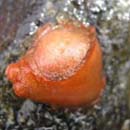
Look for the eight plates on the back of the highly camouflaged living chiton. The largest chiton in the world, the gumboot, lives along the coast of BC . Its rough red body resembles the sole of a Wellington gumboot. You can find these plates, once apart of a living chiton, washed up on the shore. They are cradle shaped and have very beautiful patterns on them.
Put the back of your hand or arm against a purple sea star exposed by the tide. Hold it there for a while then pull your arm away. You will feel resistance, as the hairs on your arm are caught by the pincers found on its back. The sea star uses them to keep itself clean.
Pick up the sea star and feel the pull of its many waving tube feet as they try to hold the animal in place. Position the sea star on its back and watch it gradually turn itself over using its tube feet. To eat a clam or mussel, the sea star will first hunch over its prey. Then using its arms and tube feet, the sea star slowly pulls the two shells apart. It extends its stomach inside the slightly opened shells to dissolve and devour its prey.
The shells of many marine animals are made of a chalky material called calcium carbonate. Take some sandy material from the beach, put it in a dish and drop some vinegar on it. If shell fragments are present they will test positive by reacting with the acidic vinegar giving off bubbles of carbon dioxide gas. |